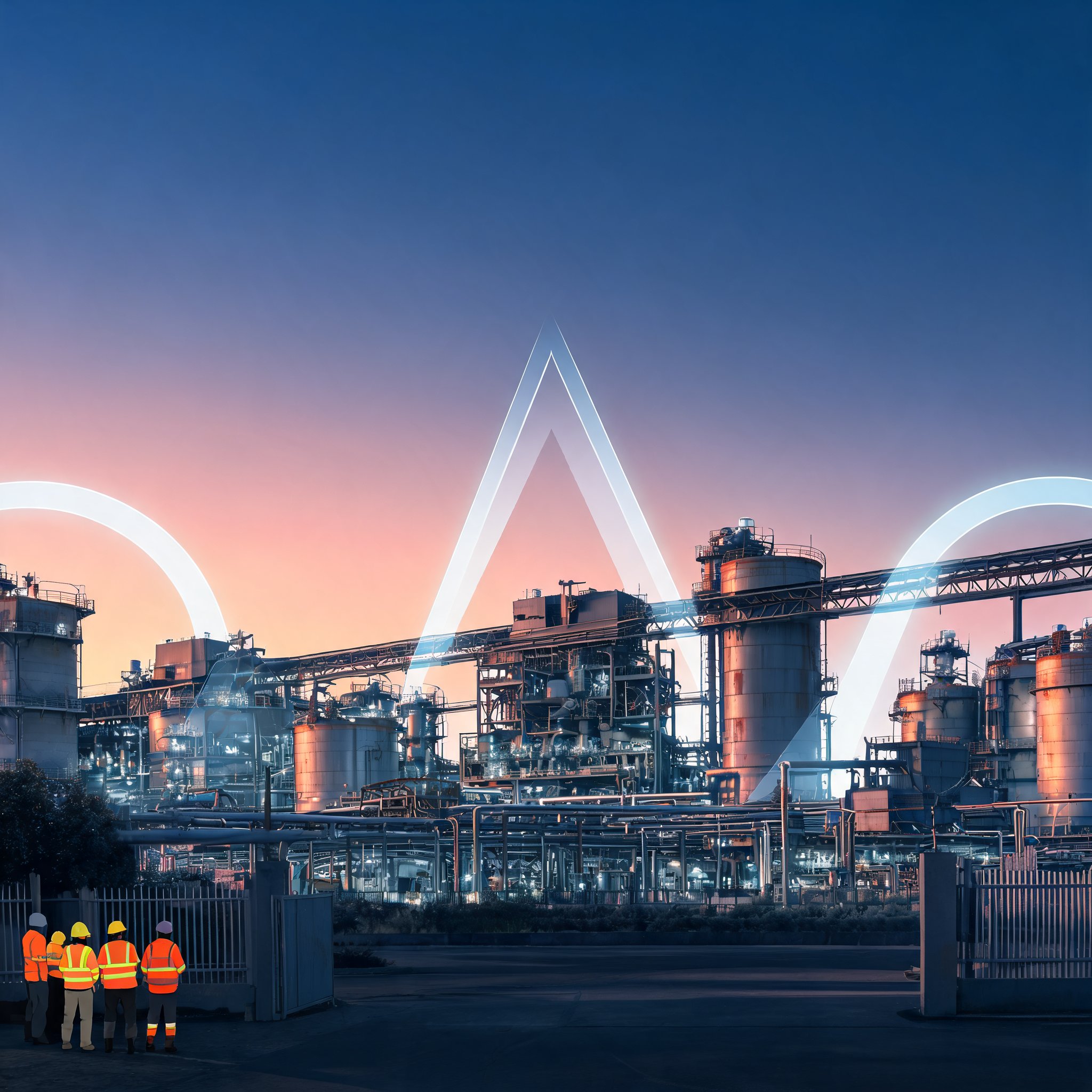
Union members at South32's Worsley alumina refinery in Western Australia began a 48-hour stoppage on November 10, pressing for binding protection of pay and conditions ahead of Alcoa's planned acquisition of South32's aluminium assets. The action involves members of the Electrical Trades Union and the Australian Manufacturing Workers' Union and coincides with a scheduled shutdown at the refinery's main processing plant. Around 200 union members are employed at the Worsley operation, according to AMWU state secretary Steve McCartney.
The timing places the labour dispute directly alongside a corporate transaction. Alcoa plans to acquire a substantial part of South32's aluminium value chain in a deal with an implied enterprise value of up to USD 5.6 billion. The transaction was announced in July 2026 and approved by South32 shareholders on October 15, 2026, with completion targeted for June 29, 2027, subject to regulatory and other closing conditions.
Incentive pay at the centre
AMWU state secretary Steve McCartney said Worsley workers had received an average bonus of 10 per cent over the past five years and wanted those short-term incentive payments secured through their enterprise agreement. The union argues that South32 has referred to incentive payments when discussing overall remuneration but has not provided a binding guarantee to protect those earnings. McCartney said the request was not for higher payments but for continuation of benefits workers had consistently received.
South32 said it was engaging constructively with employees and their representatives during enterprise agreement negotiations. The company maintained that Worsley employees receive benefits beyond base wages and that its existing short-term incentive policy would continue after the transaction is completed. It also said it had plans to maintain operations during the industrial action and did not expect the stoppage to affect production.
Hours and conditions under scrutiny
Differences in working hours between South32 and Alcoa employees in comparable roles have also become a point of contention. ETU WA secretary Adam Woodage said Alcoa's shift and day workers have a 36-hour working week, compared with 42 hours for shift workers at Worsley. South32's day workers complete 40 hours across four 10-hour days. Woodage argued that these differences would face greater scrutiny as the companies move towards combining their aluminium operations, and that employees wanted an agreement recognising their skills, contributions and role in the business.
The assets in the transaction
The proposed deal covers South32's 86 per cent interest in Worsley Alumina, full ownership of the Hillside Aluminium smelter in South Africa, a 33 per cent interest in Brazil's Mineração Rio do Norte bauxite mine, a 36 per cent interest in the Brazil Alumina refinery and a 40 per cent interest in the Brazil Aluminium smelter. Mozal Aluminium in Mozambique is excluded and remains under South32 ownership on care and maintenance.
The implied enterprise value comprises USD 3.1 billion in cash, approximately USD 1 billion in newly issued Alcoa shares, around USD 750 million in net debt and lease liabilities assumed by Alcoa, and up to USD 750 million in contingent cash payments linked to agreed alumina and aluminium price targets through 2030. Alcoa will also assume rehabilitation provisions associated with the acquired assets, estimated at approximately USD 1.2 billion, separate from the implied enterprise value. South32 intends to distribute about half of the Alcoa shares it receives, worth around USD 500 million at the time of the announcement, to eligible shareholders through a fully franked special dividend after completion.
Why Worsley matters to Alcoa
Worsley has an annual alumina production capacity of approximately 4.4 million tonnes, making it an important asset in Western Australia's alumina industry. Wood Mackenzie estimates that the acquisition will increase Alcoa's attributable bauxite production by 53.6 per cent to nearly 53 million tonnes annually and attributable alumina production by 51.6 per cent. The consultancy also estimates that Alcoa's aluminium smelting capacity will rise by around 26 per cent.
Alcoa expects the acquisition to generate approximately USD 900 million in net present value through operational synergies, including better integration between Worsley and its existing Western Australian operations. Once completed, the expanded portfolio is expected to produce approximately 14.8 million tonnes of alumina and 3.2 million tonnes of aluminium annually.
For Alcoa, securing experienced employees and maintaining stable operations at Worsley will remain important as it prepares to integrate the acquired assets. The outcome of the enterprise agreement negotiations could therefore shape employment conditions at one of the key facilities in the proposed transaction.