Suntory has published its first climate transition plan, setting out how the Japanese drinks group intends to cut emissions across its operations and supply chain while protecting the business from rising climate risks.
The plan commits the company to a 30% reduction in absolute Scope 1, Scope 2 and Scope 3 emissions by 2030 against a 2019 baseline, followed by a 90% cut by 2050. Suntory says it has already reduced greenhouse gas emissions by 19% between 2019 and 2025.
Packaging and raw materials dominate the footprint
Packaging and raw materials have been singled out as the main contributors to the group's value-chain emissions. The company reports that emissions linked to packaging fell by 38% between 2019 and 2025, while those from raw materials declined by 12% over the same period.
In contrast, emissions associated with co-manufactured finished products rose by 26%. Suntory uses that increase to underline how far its targets depend on suppliers and contract partners, not only on changes it can make in-house.
Absolute reduction targets of 30% and 90% require lower total emissions rather than relative efficiency gains, so the packaging measures named in the plan carry weight well beyond the company's own sites.
Packaging reform at the centre of the plan
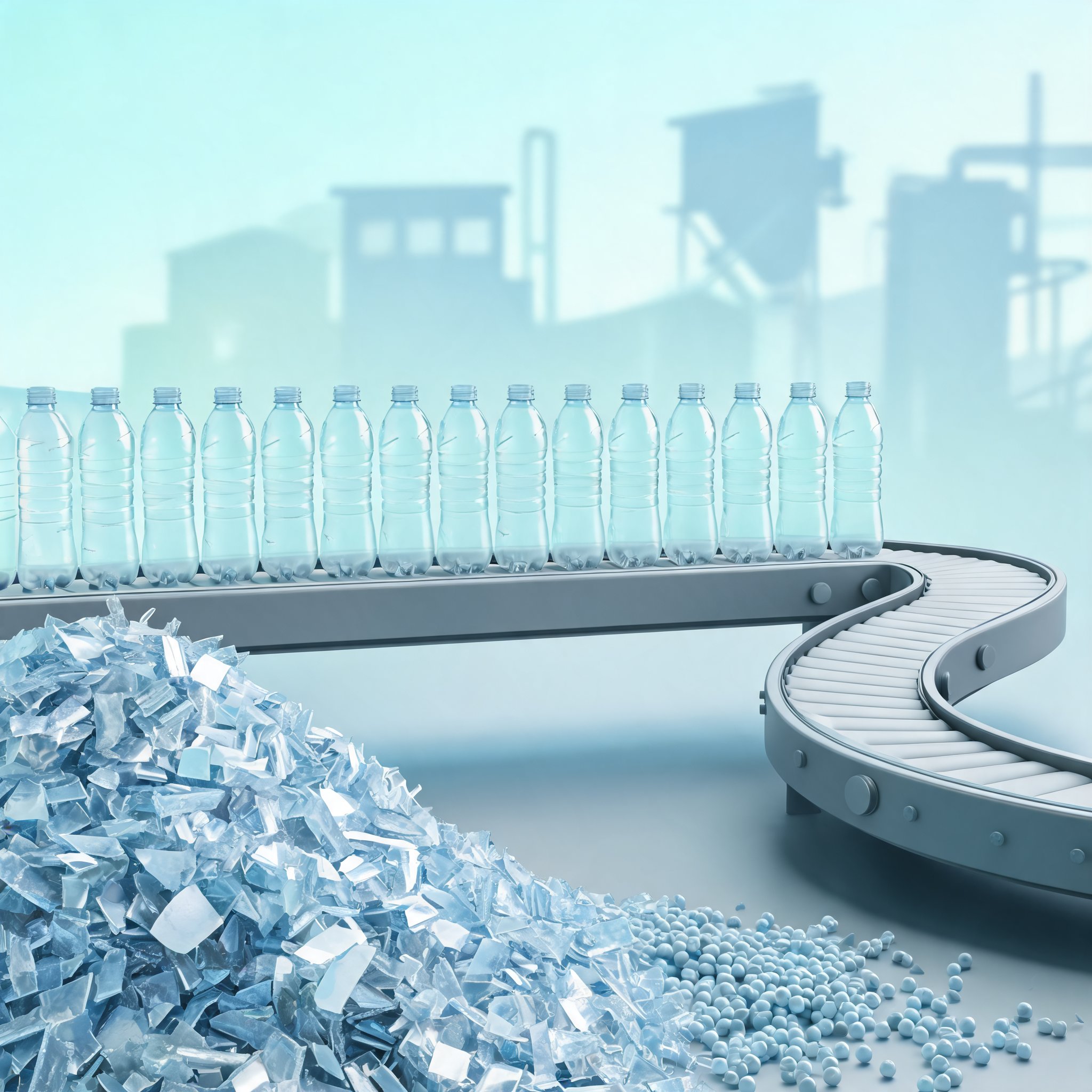
Packaging reform carries particular emphasis, covering reduced material use, higher recycled content and redesigned containers. Suntory says it wants all primary polyethylene terephthalate packaging to be either made from 100% recycled material or produced without fossil fuels.
The group has also engaged suppliers representing more than half of its Scope 3 emissions. It expects further progress to depend on changes to production methods, energy consumption and material choices across the chain.
Spending and target structure
Suntory estimates it will spend €185.4m (£156m) on climate-related operating costs between 2027 and 2030, with packaging accounting for the bulk of that sum, reflecting the cost of moving containers to recycled and fossil-free material.
The published figures cover the 2019 baseline, the reduction achieved by 2025 and the 2030 and 2050 milestones. According to the company's own sustainability material, the goals sit within a broader commitment to net-zero emissions across the value chain by 2050.
The document sets out intended reductions and investment rather than verified outcomes. Delivery against the 2030 target will rest on packaging redesign and recycled-content sourcing as well as on emissions cuts achieved by suppliers and co-manufacturers, whose combined footprint the company does not fully control.