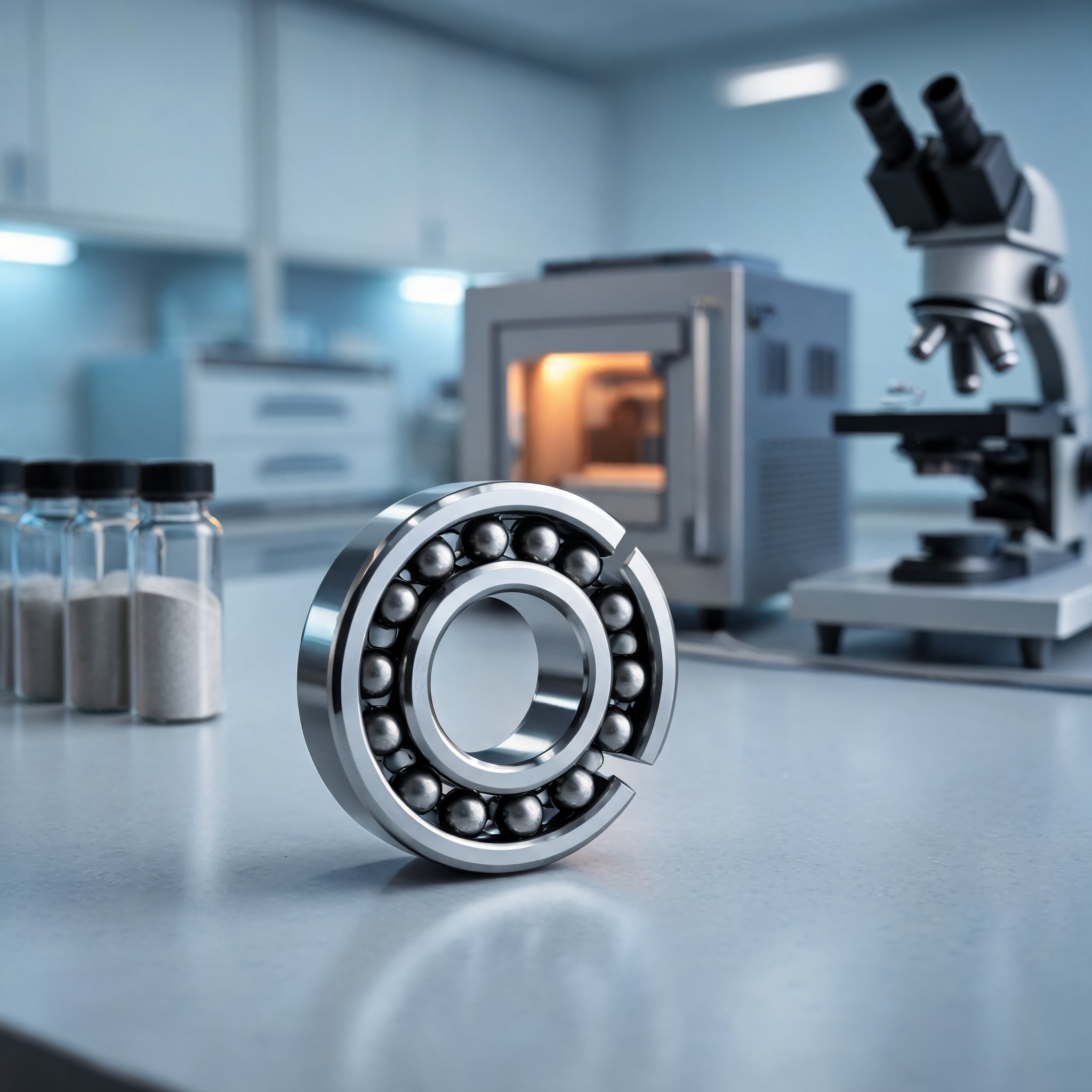
SKF has opened a Ceramic Process Laboratory (C-Pro Lab) at its research and development center in Houten, the Netherlands, the company announced. The lab is intended to strengthen SKF's capabilities across the ceramic manufacturing value chain, from raw-material powder processing to engineering high-performance components, and to support wider adoption of hybrid bearing technology.
The company frames the facility as part of its technology leadership in ceramics and hybrid bearings. As industrial customers pursue electrification and higher energy efficiency, SKF says demand for hybrid ceramic bearings is rising. These bearings pair high-grade steel rings with silicon nitride rolling elements.
Why hybrid ceramic bearings matter
According to SKF, hybrid bearings offer electrical insulation, lower weight and reduced friction compared with conventional all-steel bearings. Those characteristics matter in applications where electrical currents can damage bearing surfaces or where lower friction and weight can support efficiency. SKF says the bearings can help prevent electrical erosion in high-speed electric motors, cut friction by up to 50 percent and provide reliability at extreme temperatures in demanding environments.
Annika Ölme, SKF's chief technology officer and senior vice president of technology development, said ceramic and hybrid bearing technologies are essential enablers for clean and reliable rotation in next-generation industrial electrical applications. She said the C-Pro Lab gives the company full command of the end-to-end ceramic process, allowing faster innovation, better material performance and accelerated commercialization of high-performance hybrid solutions for customers globally. The statements are company claims about the lab's role and expected benefits; the announcement did not include independent test results.
End-to-end process development
The C-Pro Lab is described as a global competence center within SKF's research and technology development organization. It is set up to enable end-to-end optimization of ceramic technology. By bringing powder formulation, compaction, sintering and surface finishing together in one facility, SKF researchers can rapidly prototype new material compositions, optimize microstructures and improve process efficiency for high-volume manufacturing, the company said.
That structure is meant to connect the steps SKF identifies as part of the ceramic process: powder formulation, compaction, sintering and surface finishing. The company says this integration allows researchers to rapidly prototype new compositions and optimize microstructures, while the lab's stated focus is on process development and prototyping rather than a specific product launch.
Applications and opening
SKF identifies industrial automation, aerospace and high-speed machinery as expanding sectors where hybrid ceramic bearings can address operational challenges. The company links demand in these areas to electrification, energy efficiency and reliability requirements. In high-speed electric motors, for example, SKF says ceramic technology can help prevent electrical erosion; in other demanding environments, it cites friction reduction and extreme-temperature reliability.
The official opening brought together customers from railway, aerospace and drives, along with other stakeholders and H.E. Julius Liljeström, Swedish Ambassador to the Netherlands. SKF said the gathering highlighted the importance of close customer collaboration in advancing industrial innovation and sustainable technology.
The C-Pro Lab adds a dedicated ceramic process development capability to SKF's R&D center in Houten. Its stated purpose is to support the complete ceramic manufacturing value chain and to help commercialize hybrid bearing solutions as industrial electrical applications become more demanding.