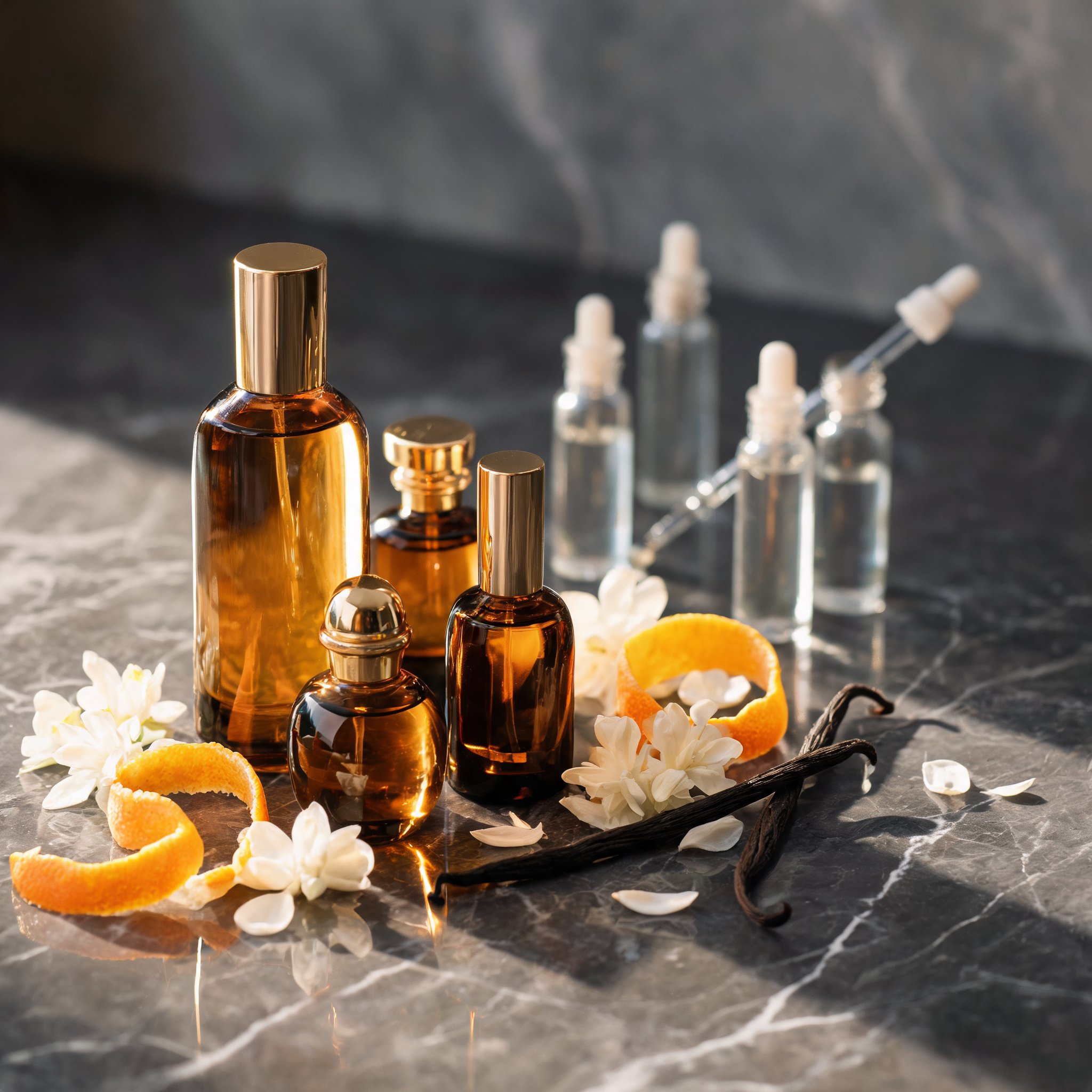
Givaudan's like-for-like sales grew 8.6% in the third quarter, almost twice the 4.7% analysts had forecast, as demand for luxury perfume scents lifted its Fragrance & Beauty division.
In the first nine months, Fragrance & Beauty generated CHF 3.15 billion (US$3.78 billion), up 8.8% like-for-like (LFL), surpassing the 8% growth recorded in the same period last year. The unit accounted for about 53% of the company's overall sales during that period.
In the quarter, Fragrance & Beauty posted sales of CHF 1.14 billion (US$1.37 billion), with LFL growth of 13.5%, up from 6.8% in the third quarter of 2025. At group level, Givaudan recorded sales of CHF 5.89 billion (US$7.08 billion) across the first three quarters.
The report showed a significant acceleration as the nine-month period closed. Vontobel analyst Arben Hasanaj said the acceleration should reinforce confidence in Givaudan's growth profile and resilience, according to Reuters. Reuters also reported that analysts at Vontobel and Jefferies estimated Fine Fragrance sales grew around 31% organically in the third quarter alone.
Shares rose nearly 7% following the update, reaching a 15-month high. Reuters reported a positive ripple effect across the sector, with peers including dsm-firmenich, Novonesis and Symrise gaining between 1.6% and 3.1% in early trading.
Fine fragrance leads
On a business unit basis, Fine Fragrance sales increased 15.3% LFL, set against a competitive prior-year comparable growth of 18.7%. The sustained double-digit growth points to continued resilience in the fine-fragrance business and strong demand across the premium perfume market.
Consumer Products sales rose 9.3% LFL against prior-year comparable growth of 5.9%, suggesting demand extends beyond fine perfumery into personal, oral, home and fabric care. Fragrance Ingredients and Active Beauty's combined sales fell 2.5%, compared with an increase of 1.5% LFL in the first nine months of 2025.
Givaudan's LFL figures exclude acquisitions. On a reported basis, acquisitions contributed 2.8% to Fragrance & Beauty growth over the nine-month period, while currency translation had a negative impact of 3.8%. At group level, acquisitions contributed 1.4%. Two transactions the company highlighted were the acquisitions of Belle Aire Creations for CHF 62 million (US$74.48 million) and Vollmens Fragrances for CHF 20 million (US$24 million).
Regional divergence
Asia Pacific was Givaudan's fastest-growing geography, with sales up 10.6% LFL in the first nine months of 2026, against 4.6% a year earlier. Within Taste & Wellbeing, the region rose 7.1% LFL, compared with a 0.5% decline in the same period of 2025.
South Asia, Africa and the Middle East grew 4.1% LFL, against comparable growth of 8.8% in the first nine months of 2025. Europe rose 1.5% LFL, versus 3.8% a year earlier, and Latin America increased 1.1% LFL, compared with 3.1%. Overall, high-growth markets advanced 7.9%, against 2.7% in mature markets.
North America proved the most challenging region, with Taste & Wellbeing LFL sales down 3.3% versus a 3.9% decline in the first nine months of 2025, though the region overall grew 1.1%. Givaudan said continued weakness in the Health and Functional Business Unit and US tariff refunds made to Givaudan customers during the third quarter of 2026 were the primary reasons for the drop.
Givaudan said the figures indicate a persistent appetite for fragrances among consumers and brands and point to continued opportunities in fine fragrances, fragrance ingredient differentiation and premiumization. The company underlined the consistency of its growth despite geopolitical and macroeconomic volatility, which it said demonstrates market resilience.